By Maura Keller, Marybeth Matzek, Katie Vaughn, Amanda Wegner and Hannah Wente | Photography by Hillary Schave
From combat zones to careers back home, these women have turned service into a lifelong lesson in strength, leadership and resilience.
 The Trailblazer
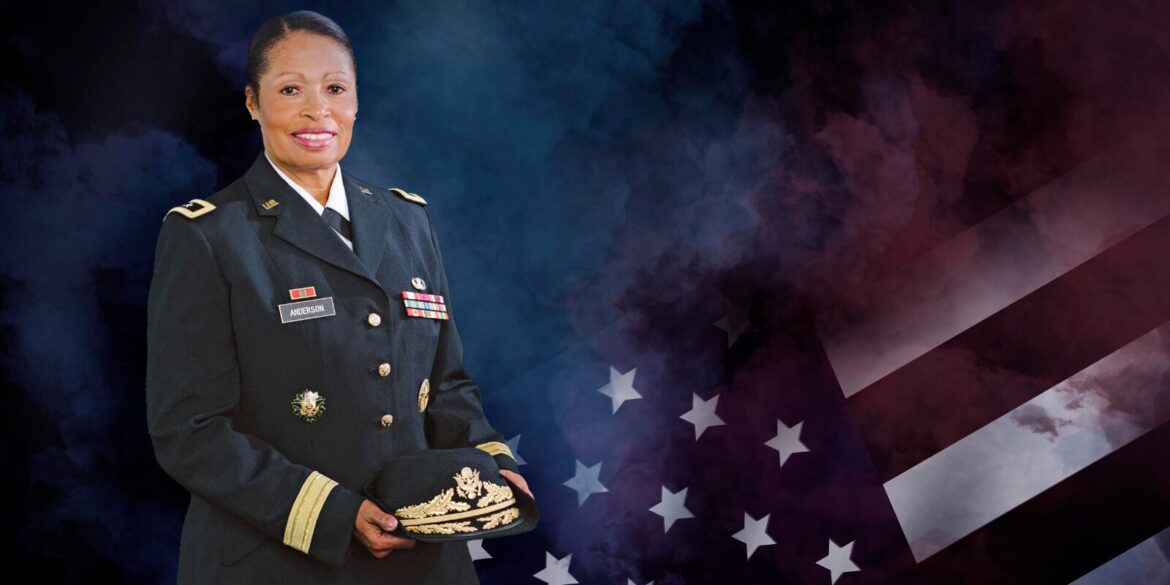
Marcia Anderson calls her entry into the military accidental. In 1977, she was a student at Creighton University and needed a science credit when she came across the registration table for military science and the Reserve Officers Training Corps.
“There was no line, so I signed up. Once I got in and learned about the history and traditions, I really enjoyed it,” says Anderson, who became the first African American woman to achieve the rank of major general in the U.S. Army in 2011.
 Leading Through Service
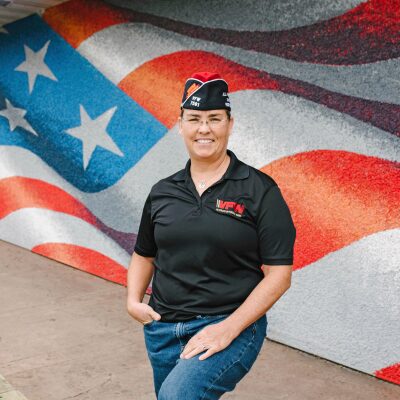
Kerry McAllen learned the importance of being self-reliant and persistent during her time serving with the U.S. Army, the Wisconsin National Guard and the U.S. Army Reserves.
“I learned a lot about leadership and how when you’re overseas, you’re fighting for the person to left and the person to the right of you. It doesn’t matter who you are — you’re all working toward the same goal,” says McAllen, who retired in 2020 with the rank of command sergeant major after 31 years of service.
 On the Frontlines of Care
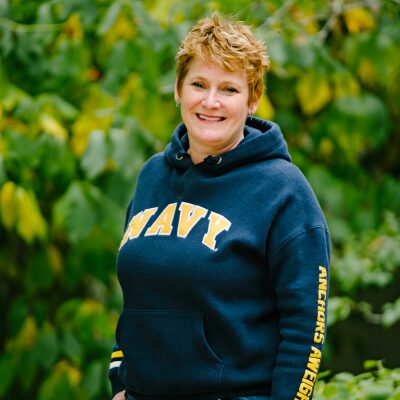
As a U.S. Navy nurse, Lisa Kromanaker still remembers the frustration and anticipation of injured service members wanting to return to their units. From 2006 to 2007, she tended to injured soldiers from the Iraq and Afghanistan wars at a hospital in Landstuhl, Germany.
“You have to care for them in physical, spiritual, mental and emotional ways,” explains Kromanaker. “I couldn’t believe the number of amputations I saw and how life- changing those injuries became for men and women.”
 The Best-Kept Secret in the Guard
Staff Sergeant Jaclyn Sommers is incredibly proud to help lead the “best-kept secret” in the Wisconsin National Guard.
Sommers is one of the survey team chiefs of the survey section for the 54th Civil Support Team (CST), a specialized unit of full-time Army National Guard and Air National Guard members trained to respond to chemical, biological, radiological or nuclear emergencies. (Typically, National Guard members are civilian soldiers who serve part-time and are called into duty in times of need.) This team assists local law enforcement, public safety agencies and emergency management 24 hours a day, 365 days a year.
 Connecting Culture and Service
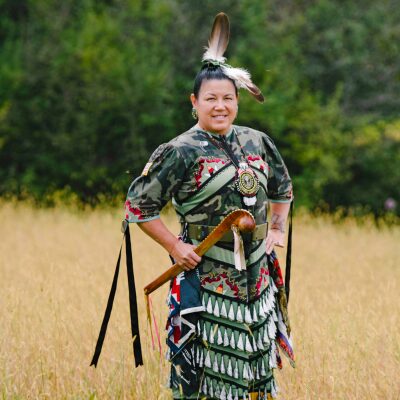
Whether someone needed a pen or supplies for a tank, it fell to Melissa Doud and her fellow U.S. Army supply sergeants to fill the request.
“You learn a lot of teamwork, discipline and patience when in the military,” says Doud about her experience in the Army. “You build up trust with those around you so you can work together.”
 From the Navy to Advocacy
Jodi Barnett, a U.S. Navy veteran and women veterans coordinator at the Wisconsin Department of Veteran Affairs (WDVA), made the decision to enlist in the U.S. Navy out of a deep commitment to service and a desire to be a part of something greater than herself.
“The military offered an opportunity to grow as a leader, develop critical skills and serve my country with purpose,” she says.
 Lessons in Leadership
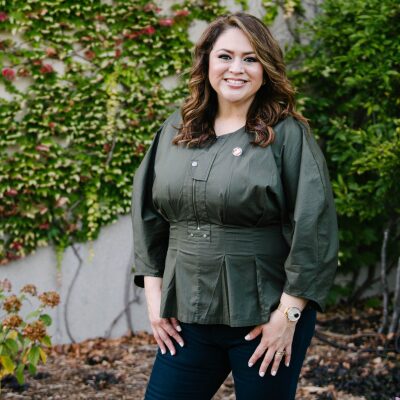
As the daughter of a U.S. Marine, Karen Soraya Burch’s childhood was shaped by her father’s service. Her family moved around a lot — to “every coastal area” including California, the Carolinas and Florida — but she also witnessed the positive impacts of serving in the military.
“I saw how Marines transformed as they progressed through their military careers,” Burch says. “There was opportunity for growth, not only professionally but also personally.”