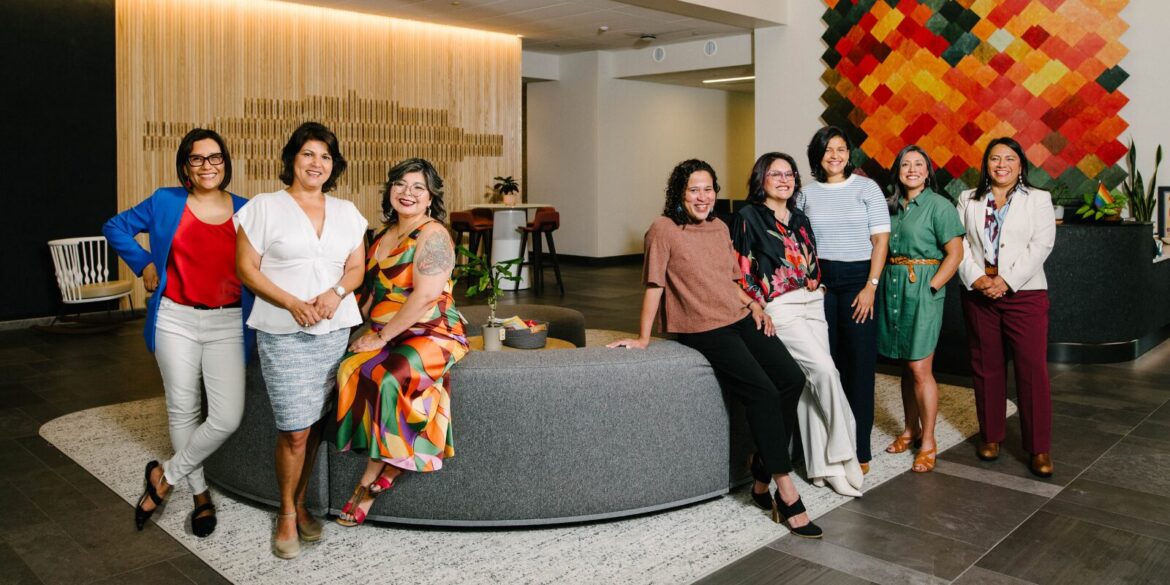
By Shayna Mace | Photography by Hillary Schave
Gather eight influential Latina and Hispanic leaders in one room, collaborated professionally or serve on each other’s boards. Yet each brings a distinct perspective — often shaped by their experiences as immigrants and their deep commitment to advocating for their communities. Read on to discover more about each of these remarkable women.
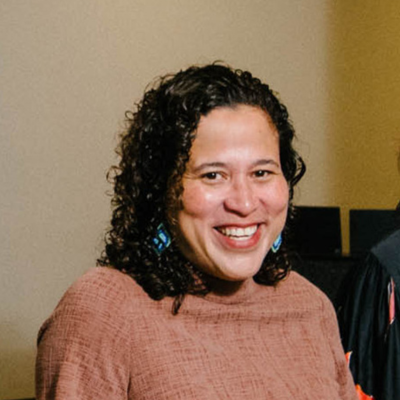 KAREN MENENDEZ COLLER
Executive director, Centro of Dane County
Centro is the leading organization in Dane County prioritizing a thriving, resilient Latinx community through holistic family-centered programs and services.
What motivated you to pursue your career path?
I’m Madison transplant. I’m originally from El Salvador, via Los Angeles — and many other cities in the U.S. I’ve lived in Madison for 13 years, and since then I’ve been at Centro.
My journey has not been direct. I have always loved science and social sciences. My path into public health provided the perfect blend for both. I hold a doctoral degree in maternal and child health and have been trained in community-based work as well as have expertise in different methods typically used in research to create and assess community programs and initiatives. I’ve worked in academia, in government and in the community.
[This is all] instrumental in what I do at Centro. I understand the assets the Latinx community has, and policies and programs should respect the needs of our people. We owe this to the Latinx families who are the future of this country.What’s one of your proudest career moments?
Earning my PhD. Latinas compromise only 1% of doctoral degree holders. It was not easy. And I hold it with pride because it gave me the knowledge that I needed to work in the community.
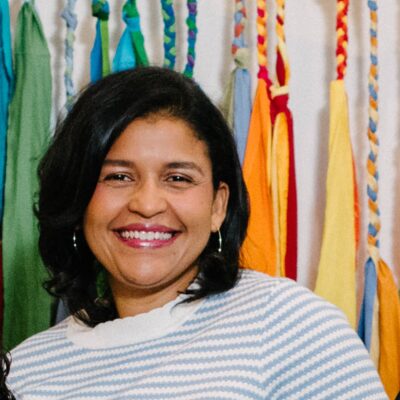 VIRGINIA GITTENS ESCUDERO
Executive director, UNIDOS
UNIDOS supports victims and survivors of domestic abuse and sexual assault through services, prevention and education.
What motivated you to pursue your career path?
I found my path as a legal advocate about 10 years ago. With a background in law and human services — and through years of working with international students and immigrant families — I came to understand both the barriers that our community faces and the kinds of support that truly make a difference.
I’ve been fortunate to learn from many people along the way, and today,
I’m honored to lead UNIDOS, where we provide a safe and welcoming space for individuals impacted by domestic abuse and sexual violence. This work is deeply personal to me, and it keeps me grounded in what really matters: community, healing and justice.
How have you made an impact for Hispanics and Latinas in Madison?
Through my involvement with Nuestro Mundo, Inc. (NMI), a nonprofit organization that serves as the governance board for Nuestro Mundo Community School. During my time at NMI, I had the privilege of connecting with parents. I also helped coordinate fundraising events and parent workshops designed to empower families to advocate for their children’s access to higher education.
I also helped with the Family Center located at the school, as well as the parent satisfaction survey — a tool that gives parents a voice in shaping the educational aspirations they hold for their children.
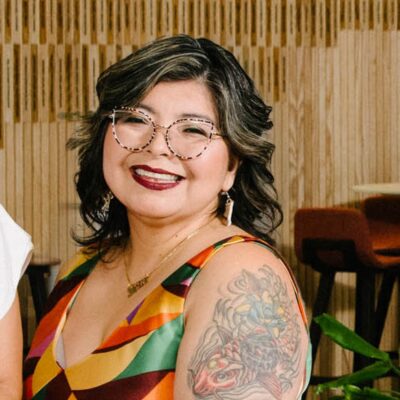 ARACELI ESPARZA
Founder and director, Midwest Mujeres Inc.
Midwest Mujeres empowers Latinas and Black women through storytelling, financial wellness and personal branding to close the wage gap and build community.
How do you advocate for inclusion and representation in your field?
As a consultant and poet, I create healing-centered, culturally grounded spaces where people can speak their truths. Through my nonprofit, Midwest Mujeres, I train women to share their stories on stage, brand themselves and build their financial futures. I also consult with nonprofits and institutions on how to move from performative allyship to real inclusion. My advocacy is both practical and poetic — rooted in lived experience and shared dreams.
What’s one of your proudest career moments?
Publishing my book, “Healing from Racial Discrimination: ¿Ahora Qué? Now, What?” was a turning point. It’s a deeply personal exploration of being fired, dismissed and made to question my worth. But it’s also a love letter to my mother, my abuelitas and all of the women of color who have experienced that pain. It stands as both a personal healing and a guide for others seeking their voice.
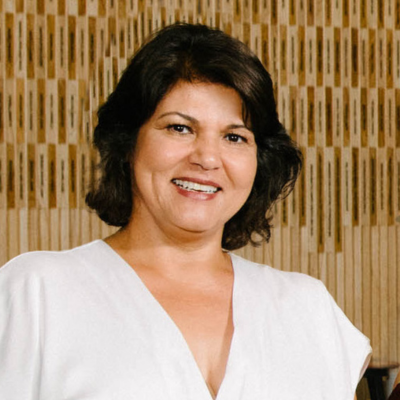 BRENDA S. GONZÁLEZ
Director of community relations, University of Wisconsin–Madison
UW-Madison is Wisconsin’s flagship public university, committed to education, research and community engagement that serves both the state and the world.
What’s one of your proudest career moments?
Receiving the 2022 Wisconsin Leadership Community Choice Woman of Excellence Award. That honor affirmed the trust and relationships built through authentic engagement and collaboration and reminded me that recognition truly rooted in community resonance is deeply meaningful.
How has your heritage shaped who you are as a leader?
Growing up in Mexico City and later working across cultures in the U.S. taught me resilience, empathy and the power of storytelling. My roots ground me in values of family, community and collective uplift. Being Latina reminds me daily that leadership is about amplifying others’ voices and ensuring that no one is left at the margins.
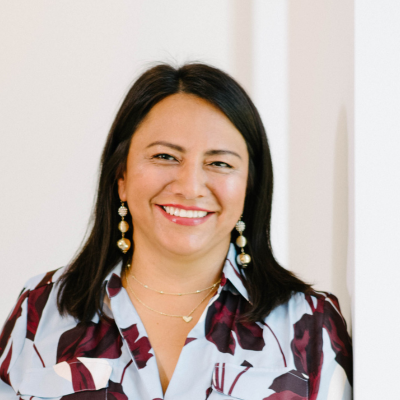 TANIA IBARRA
CPA and co-founder, Step Up: Equity Matters, LLC
Step Up: Equity Matters, LLC is a boutique management firm focused on embedding equity in strategy, culture and operations.
What’s one of your proudest career moments?
I’m incredibly proud that Step Up: Equity Matters has earned its place among the fewer than 5% of businesses of our size that reach this level of success. This achievement reflects not only my resilience and vision, but also my commitment to creating space and opportunity for others. As a Latina entrepreneur, I see my success as a form of advocacy — and I’m determined to help grow that 5% to better reflect the 19.5% of the U.S. population that identifies as Latino. We are more than capable of achieving that level of representation, and I’m committed to making it a reality.
What does being a Latina or Hispanic leader mean to you?
In light of the challenges that our community faces, being a Latina leader requires full presence, active engagement and a willingness to speak hard truths. I’m especially inspired by Maria Teresa Kumar, president and CEO of Voto Latino, whose leadership is both bold and energizing.
As Latines, we must lead by example and confront sexism, racism and homophobia within our own culture — biases that, while deeply rooted, must be addressed. Though Latinas have often been encouraged to stay silent to preserve family dynamics, I reject that narrative and see breaking the silence as essential to dismantling colonial and oppressive practices.
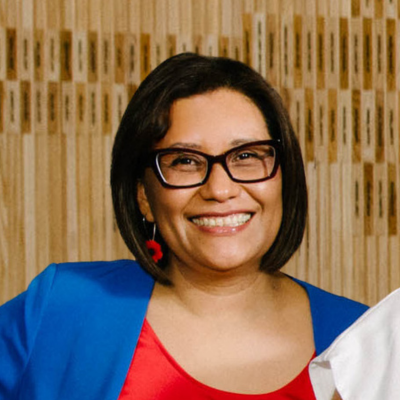 DR. NYDIA MARTINEZ
Executive director, Latino Academy of Workforce Development
The Latino Academy of Workforce Development provides adult education, workforce training and support services that help individuals develop skills, secure quality jobs and access family-sustaining careers and greater economic opportunities.
What motivated you to pursue your career path?
My career has always been rooted in serving immigrant Latino communities because I am a first-generation immigrant Latina woman finding her way in the U.S. The work we do at the Latino Academy is deeply personal to me; it reflects my own journey and that of my family when we first arrived here.
What inspires me every day is witnessing the strength, perseverance and dreams of our community in action. Our students juggle multiple responsibilities — including jobs, family, a new culture and a second language — yet they show up with determination to learn, grow and build better opportunities for themselves and their loved ones. Our work extends beyond education and training; it’s about creating a more just and inclusive community in Wisconsin, where everyone has a genuine opportunity to thrive.
What does being a Latina or Hispanic leader mean to you?
In the midst of political and economic uncertainty, it means showing up with courage, clarity and a deep sense of responsibility to my community. It means holding space for our stories, our struggles and our aspirations, even when the systems around us feel unstable or unjust. Simply having a seat at the table is not enough — we need to be in the kitchen, where the decisions are actually being made, shaping the recipe rather than just being served the dish. As a Latina, I carry the legacy of those who came before me and the obligation to help pave a more just path for those who come after me.
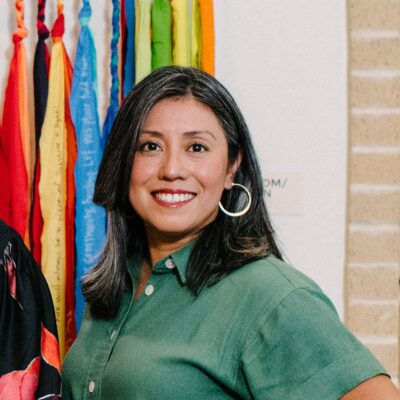 SANDY MORALES
CEO, Big Brothers Big Sisters of Dane County (BBBS)
BBBS creates and supports one-to-one mentoring relationships that ignite the power and promise of youth.
What motivated you to pursue your career path?
I began my career in the for-profit sector, working for a corporate dental organization. During one of their outreach events, I was asked to interpret for Spanish-speaking families — a moment that sparked something in me. It felt deeply rewarding and made me think about how I could use my business background to better serve my community. As a first-generation college graduate, I rarely saw leaders who looked like me, and while that’s slowly changing, representation still matters — kids need to see it to believe it.
What Latina or Hispanic leader inspires you?
City of Fitchburg Mayor Julia Arata-Fratta is a leader I’ve long admired, having served alongside her on the Latino Chamber of Commerce board. She made bold moves in her career, first as an alderwoman and now as mayor. Her leadership is rooted in a deep commitment to building Fitchburg [into a place] where everyone can live, work and play safely. Julia champions inclusive growth, fiscal responsibility and long-term community sustainability.
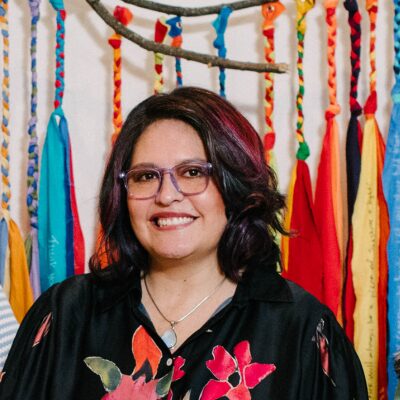 GERALDINE (GERY) PAREDES VÁSQUEZ
CEO, YWCA Madison
YWCA Madison is a 118-year-old nonprofit organization dedicated to eliminating racism and empowering women, promoting peace, justice, and dignity for all.
What motivated you to pursue your career path?
From an early age, I always felt drawn to stories of social change, justice and liberation. I think this was partly due to my granduncle Antonio Paredes Candia, who was a self-taught writer and puppeteer whom I witnessed shaping social change through art, culture and critical thinking in Bolivia, my birth country.
I’m also very grateful to my parents for supporting my passion through all the versions of myself, from the playful and reflective child that I was, to the young activist, then community organizer, social justice educator and program director. Their support endures today, as I have the honor of being the first Latina to serve as YWCA Madison’s CEO.
What does being a Latina or Hispanic leader mean to you?
Being a Latina leader means to denounce the violence of massive deportations ripping families and communities apart and the ongoing genocides in Palestine, Congo and Sudan. It’s discouraging the spread of antisemitism and islamophobia, and all of the deliberate actions to dismantle hard-fought civil rights and social protections for BIPOC people, women, disabled people, immigrant communities, workers, low to no income, and other marginalized communities.