
By MaryBeth Matzek | Photo courtesy Amanda Preimesberger
Women control 80% of healthcare spending when it comes to their families. That means their preferences can lead to growing industry trends, including the rise in specialty or niche health and wellness practices — many of which are owned by women.
According to a McKinsey & Co. Future of Wellness Report, women’s health is emerging as a significant growth area within the U.S. wellness market.
Whether it’s women seeking primary care, treatment for perimenopause or menopause symptoms, or BIPOC women seeking culturally inclusive care, some women are opting for smaller or specialty-care clinics over larger healthcare systems.
In the Madison area, women-owned clinics tend to fall into three categories: alternative and holistic medicine; direct-pay primary care; and femtech, which includes fertility care through menopause care. With wellness practices flourishing throughout the area, we spoke with several clinic owners about their journeys to launching practices of their own.
Alternative Options
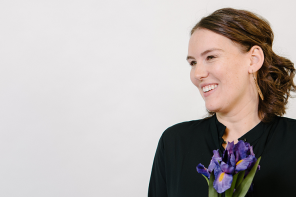
Health care dissatisfaction is real — patients may not like how long it takes to get in to see a provider, how rushed appointments are and how much the services cost. Dr. Amanda Preimesberger felt the same way, which led her to open rootsMD Direct Care Family Medicine, a direct-pay primary care practice in Verona.
In a direct primary care practice, patients pay a monthly membership fee that covers all of their clinic visits. If medications or lab tests are needed, they are offered at a wholesale price and patients know the cost before it’s performed. HSA funds can be used to pay for memberships and lab costs.
“I wanted to have quality physician-patient relationships. In insurance-based clinics, the systems did not allow for price transparency, nor for me to provide unrushed care,” Dr. Preimesberger says. “Our visits last between 30 and 60 minutes.”
At Dedicated Family Care of Fitchburg, Dr. Wendy Molaska began her direct-pay primary care practice to affordably meet the unmet needs she saw in the community. An estimated 40% of her patients have no insurance, so direct pay is an affordable way for them to get care.
Since Dedicated Family Care does not accept insurance, Molaska says she can continue to provide gender-affirming care to minors, which is critical after UW Health ended its service.
“I don’t need to worry about Medicaid or Medicare cutting its funding since my clinic is a membership model. I’m able to fulfill a need here in the community,” she says.
As an osteopathic family physician and breastfeeding medicine physician, Dr. Angela Marchant received training to provide hands-on treatment to diagnose and treat many different conditions including muscle and joint pain using safe pressure and stretching. After working in the field, Dr. Marchant decided to open her own direct-pay primary care practice, Tallgrass Osteopathic Family Medicine.
“Patients like knowing the costs ahead of time. It’s not like with insurance where you’re told you need a blood test and you have no idea how much it costs,” she says.
Whole-Body Wellness
Chiropractor Julie Nyquist and acupuncturist Shannon Gyles created New Moon Wellness when they saw how their practices fit well with other offerings, including acupuncture, occupational therapy, reiki and massage therapy.
Additionally, Nyquist and Gyles note that New Moon Wellness is one of the few wellness businesses that caters to patients during cancer treatment and recovery, in addition to their many offerings.
“We offer multiple modalities supporting patients … to support their mind, body and spirit while they are navigating cancer treatment and further recovery,” Nyquist says.
At Isthmus Wellness, patients often see multiple providers, such as an acupuncturist and a massage therapist while also using herbs, says Chandon Williams, a certified acupuncturist and herbalist.
“Our practice is very fertility focused, so we offer several treatments designed to improve fertility,” she says.
Shellie Braxton founded Modern Health Women’s Wellness Center after women at her compounding pharmacy began frequently asking about hormone replacement therapy for perimenopause and menopause symptoms. Customers would ask if she knew a provider who prescribed them. Braxton put on her entrepreneurial hat, hired a nurse practitioner and opened her own clinic that also includes other offerings such as massage therapy and vitamin shots, as well as weight loss and general wellness care.
“Women are tired of feeling like crap and want to know there are options out there. We’ve created a safe place where we listen to women. I want patients to come in and talk [to us] like they’re talking to their best friend,” Braxton says.