By Laura Anne Bird
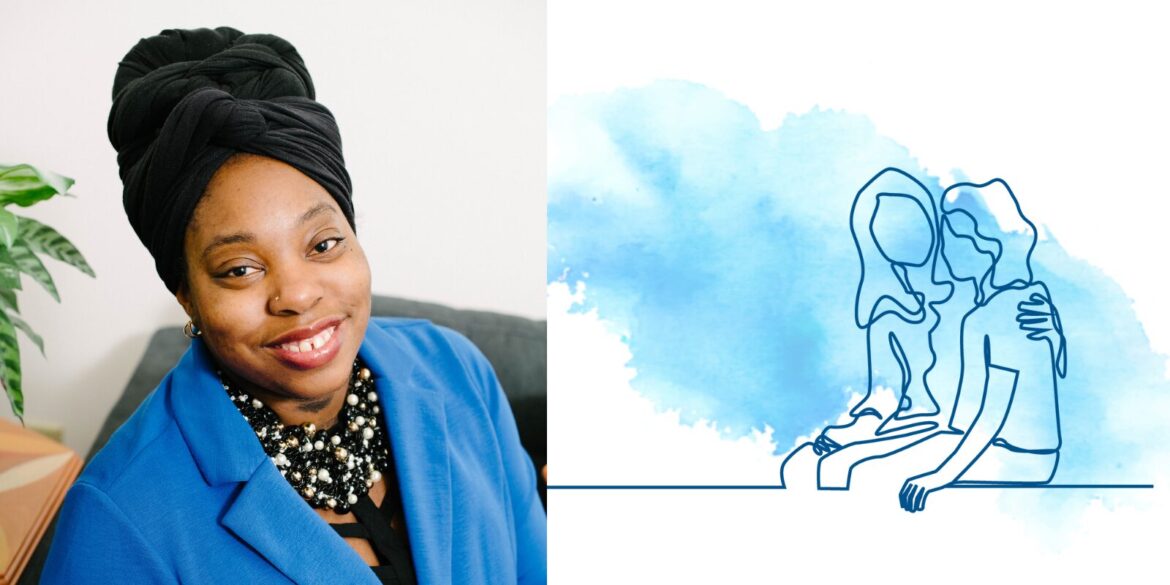
Chandra Lewis says that her work as a death doula feels “mysterious” to other people, so she is glad to clear up any confusion.
“It’s about being present,” she explains. “Whether helping families navigate birth, miscarriage or terminal illness, I hold space with compassion.”
A death doula is trained to guide people of all ages through the emotional, spiritual, physical and logistical transitions at the end of life. Unlike hospice care, which provides medical care, a death doula offers non-medical, holistic support to help individuals and families navigate the end-of-life journey with dignity and presence.
“Death doulas remind us that death is not just a medical event, it’s a human one,” Lewis says.
Lewis approaches her role with expertise and empathy. She is not only certified as a death doula, a grief support specialist and a full-spectrum doula, but she’s also experienced the devastating loss of a child herself.
“My daughter was born still, so my job is deeply personal to me,” she says. “There was no one in the hospital to labor with me, no one to comfort me, no one to explain what came next. That experience cracked something open in me and I sought the training I wished someone had brought to my bedside.”
This training taught her that grief, healing and advocacy “all flow together.”
Lewis is based at Harambee Doula Care & Holistic Services, where she serves as the director of doula programming. She is also the founder of Reimagining Full Spectrum Doula Services.
“My work is guided by the needs of the people I serve. It’s a love letter to my daughter and to every family who has ever felt alone in their loss,” she adds.
For Lewis, the most fulfilling part of her role as a death doula is bearing witness.
“I’ve walked with people during some of their most tender and sacred transitions. Knowing that I’ve softened the sharp edges of sorrow for a family — that is everything.”